

Low harm nicotine products: examples and UK guide 2026

TL;DR:
- Low harm nicotine products exclude combustible cigarettes, significantly reducing health risks by eliminating combustion. Options include NRTs, nicotine-free medicines, vaping, heated tobacco, and tobacco-free pouches or gels, all focusing on avoiding fire-based toxicants. Successful quitting involves complete switching and professional support for duration and proper use.
What are the main examples of low harm nicotine products?
Combustible cigarettes sit at the worst end of the risk spectrum. Everything below is a step away from that. The main categories of low harm nicotine products available in the UK right now include:
- Nicotine replacement therapies (NRTs): patches, gums, lozenges, inhalers, and mouth sprays. Medically approved, widely available over the counter or on prescription.
- Nicotine-free stop-smoking medicines: Varenicline (sold as Champix, now returning to UK availability) and Cytisine (Tabex). These contain no nicotine at all.
- Nicotine vaping products: e-cigarettes that heat a nicotine liquid to produce vapour. No combustion, no smoke.
- Heated tobacco products: devices that heat real tobacco without burning it, cutting toxic emissions sharply.
- Oral nicotine pouches and gels: tobacco-free products like ZYN, Velo, and Nordic Spirit that deliver nicotine through the lining of the mouth. No vapour, no smoke, no tobacco leaf.
The unifying principle across all of these is the absence of combustion. Burning tobacco is what generates the bulk of the toxicants that cause disease. Remove the flame, and the risk profile drops substantially.
Nicotine replacement therapies: what your options actually are
NRTs are the longest-established low harm nicotine delivery method. They are medically approved and appear on the WHO’s list of essential medicines, which tells you something about how seriously the evidence base is taken.
- Patches: deliver a steady background dose of nicotine through the skin over 16 or 24 hours. Good for people who want a set-and-forget approach.
- Gums and lozenges: NRT lozenges in the UK come in 2mg and 4mg strengths. The higher strength version is recommended if you smoke your first cigarette soon after waking up.
- Inhalers: a plastic device that mimics the hand-to-mouth action of smoking. Useful if the ritual is part of what you miss.
- Mouth sprays: fast-acting, discreet, and easy to dose on demand.
Most NRTs are available without a prescription from pharmacies and supermarkets. Some are available free via NHS Stop Smoking Services. Side effects tend to be mild: skin irritation from patches, mouth soreness from gums or lozenges. Combining a long-acting NRT (patch) with a short-acting one (gum or spray) is a recognised approach for managing stronger urges.
Pro Tip: If you find standard gum strengths too harsh, ask your pharmacist about lower-dose options. Starting lower and adjusting up is easier than dealing with nausea from too much nicotine too fast.

Varenicline and Cytisine: nicotine-free medicines that work differently
These two are worth understanding clearly because people often lump them in with NRTs. They are not nicotine products. They are prescription or pharmacy medicines that act on the same brain receptors nicotine targets.
- Varenicline (Champix): a prescription medicine that partially activates nicotine receptors, reducing the satisfaction of smoking while also easing the discomfort of stopping. It returned to UK availability after a manufacturing-related absence. A standard course runs 12 weeks, sometimes extended to 24.
- Cytisine (Tabex): a plant-derived compound with a similar mechanism to Varenicline. It has been used in Eastern Europe for decades and is now more widely recognised in the UK. A typical course lasts 25 days.
Key facts at a glance:
- Neither contains nicotine.
- Both require a consultation with a GP or pharmacist before starting.
- Both carry cautions around mood changes and should be used under medical supervision.
- They are not suitable for everyone, including those who are pregnant.
These medicines are not low harm nicotine products in the literal sense. They belong in this conversation because they are a primary route through which UK adults reduce or stop smoking, often used alongside NRTs.
How vaping fits into the low harm picture
E-cigarettes work by heating a nicotine-containing liquid to create vapour. You inhale the vapour. There is no combustion, no smoke, and no tar. Studies confirm reductions of 80–99.9% in toxic emissions compared to cigarettes, including carcinogens such as NNAL and 4-ABP.
- Pod systems and vape pens: the most common formats in the UK. Nicotine salts in pods give a smoother hit at higher concentrations.
- Disposable vapes: convenient but generate significant e-waste and have faced increasing UK regulatory scrutiny.
- Regulated e-liquids: in the UK, nicotine-containing e-liquids are capped at 20mg/ml under the Tobacco and Related Products Regulations 2016.
Vaping is not risk-free. The long-term picture is still being studied, and some flavouring compounds raise questions. The NHS position is that vaping is substantially less harmful than smoking for adults who already smoke, but not something non-smokers should start. If you want to understand what’s actually different between oral nicotine and smoking, the distinction goes deeper than most people realise.
Nicotine pouches and oral nicotine gels: the tobacco-free category
This is the fastest-growing segment of the low harm market, and for good reason. No smoke, no vapour, no tobacco leaf. You place the product under your lip or tongue, and nicotine absorbs through the oral mucosa.
- ZYN, Velo, Nordic Spirit: the three most visible pouch brands in the UK. All are tobacco-free. ZYN’s X-Low range starts at 1.5mg nicotine per pouch, making it one of the lowest-dose options available.
- Oral nicotine gels: a newer format. Lesser Evil Nicotine’s gel sits under the tongue and absorbs via the oral mucosa. Tobacco-free, battery-free, no e-waste, and made with natural flavours and natural sweeteners. Available in Peppermint, Black Grape, and Green Apple.
- Toxicant profile: oral nicotine pouches show toxicant levels below detection limits in most products, with no polycyclic aromatic hydrocarbons because there is no combustion. Tobacco-specific nitrosamines (TSNAs), the carcinogens linked to cured tobacco, are absent from tobacco-free formulations.
The pouch category has historically skewed male in its branding. Lesser Evil Nicotine was built specifically for the adult who finds that aesthetic off-putting: discreet, apothecary-dark, and formulated without the rubbish. Explore the oral nicotine gel if you want something that fits a different kind of lifestyle.
Using these products well: combining and duration
Getting the most from any low harm product comes down to two things: switching completely, and using it long enough.
- Complete switching matters. Dual use of cigarettes alongside alternative products reduces the health benefit substantially. The gains come from removing combustion entirely, not from cutting down while still smoking.
- Combining NRTs is accepted practice. A patch for background coverage plus a fast-acting product (gum, spray, or gel) for acute moments is a recognised approach supported by NHS guidance.
- Duration: NRT guidelines typically suggest 8–12 weeks as a minimum. Varenicline courses run 12–24 weeks. There is no clinical reason to rush off a product that is working.
- Side effects to watch: nausea from too much nicotine, mouth irritation from gums or pouches, skin reactions from patches. Most settle within a few days of adjusting dose or placement.
For a broader look at managing your nicotine habit without making it harder than it needs to be, the principles are simpler than most guides suggest.
Should you talk to a professional first?
Yes, and it does not have to be complicated. A quick conversation with a pharmacist costs nothing and can save you weeks of trial and error.
- NHS Stop Smoking Services: free, available across England, Scotland, Wales, and Northern Ireland. Advisers can recommend products, monitor progress, and adjust your plan.
- GPs and pharmacists: can prescribe Varenicline, recommend NRT combinations, and flag contraindications based on your health history.
- Online support: the NHS Better Health website offers a stop-smoking product finder that helps narrow down options based on your smoking pattern.
- Monitoring: if you experience mood changes on Varenicline or Cytisine, report them to your GP promptly. These medicines carry specific cautions that your prescriber will discuss with you.
The UK’s public health approach is pragmatic. Policy recognises that for adults unwilling or unable to stop nicotine entirely, switching to a lower harm product is a legitimate and supported strategy.
Where to buy these products in the UK
Access varies by product type, which matters when you are trying to plan.
- NRTs (patches, gums, lozenges, sprays, inhalers): available over the counter at pharmacies, supermarkets, and online retailers. Also available free through NHS Stop Smoking Services.
- Varenicline: prescription only. Available via your GP or through some online prescribing services.
- Cytisine: available to purchase online without a prescription in the UK, though a pharmacist consultation is recommended.
- Vaping products: sold in vape shops, convenience stores, and online. Regulated under UK law; nicotine-containing products must display health warnings and comply with TPD rules.
- Nicotine pouches (ZYN, Velo, Nordic Spirit): widely available in convenience stores, petrol stations, and online.
- Oral nicotine gels (Lesser Evil Nicotine): launching in the UK in 2026, initially through premium independent vape retail in London, and online at lesserevil.store.
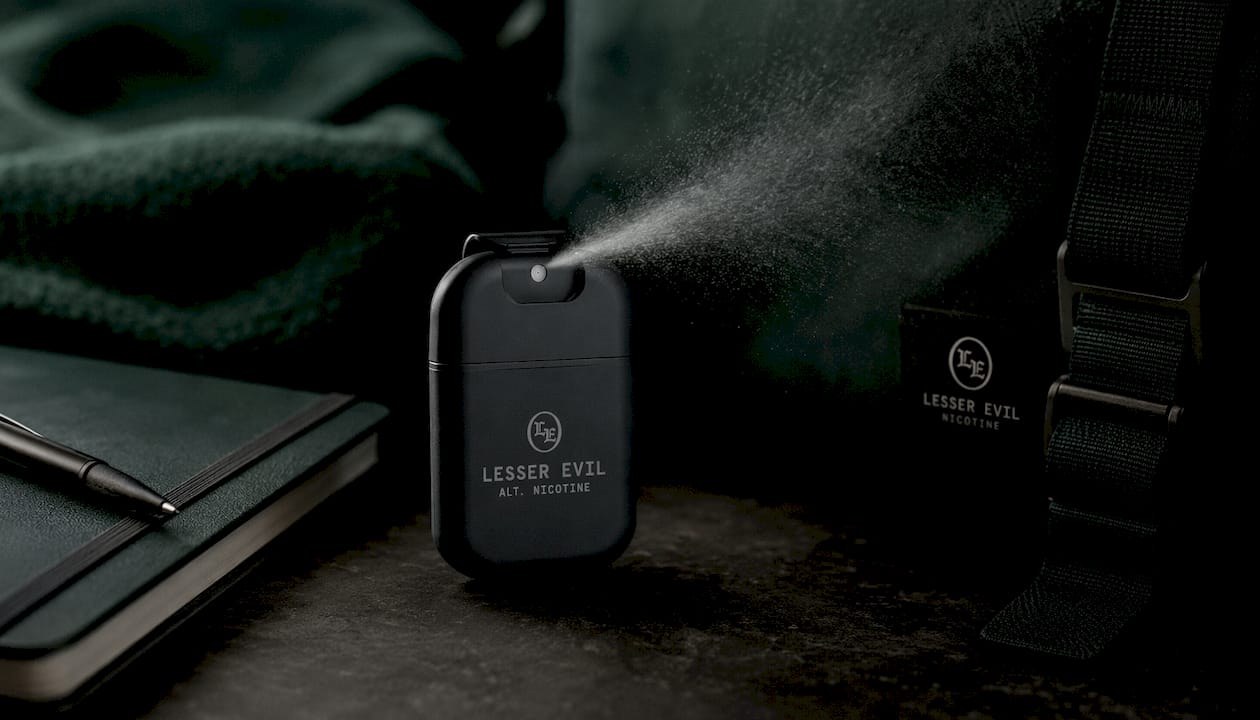
Lesser Evil Nicotine is launching in the UK in 2026. Tobacco-free, battery-free, and made with natural flavours and sweeteners. No vapour. No e-waste. Just nicotine, delivered cleanly under the tongue. Try the oral nicotine gel and see what a different kind of nicotine product actually feels like.

Key takeaways
The most effective low harm nicotine strategy is complete switching away from combustible cigarettes, using a product that removes the flame entirely.
| Point | Details |
|---|---|
| Combustion is the core problem | Removing it, not just reducing cigarettes, is what delivers the health benefit. |
| NRTs are medically approved | Patches, gums, and lozenges are available OTC or free via NHS Stop Smoking Services. |
| Pouches and gels are tobacco-free | Products like ZYN and oral nicotine gels contain no tobacco leaf and no TSNAs. |
| Vaping cuts toxic emissions sharply | Studies show reductions of 80–99.9% in harmful chemicals versus cigarettes. |
| Professional support improves outcomes | NHS Stop Smoking Services are free and can tailor a product plan to your pattern. |