

Avoid Security Delays: Travel Friendly Nicotine That Clears Screening

Smokeless, battery-free oral formats, dry pouches, sublingual gel or spray, toothpicks, gum and lozenges are the most travel-friendly nicotine products for flights and trips. They carry no liquid, no battery and no vapour, so they clear airport security without the fuss vapes attract. Before you pack, check your airline’s own policy and the customs rules at your destination, and keep everything in its original packaging.
TL;DR:
- Dry pouches, gels, sprays, toothpicks, gum, and lozenges are travel-friendly nicotine formats that contain no batteries or vapour, making airport security simpler to pass.
- Always keep products sealed, labeled, and in their original packaging, and check your airline’s specific policy before travel to avoid delays or confiscation.
- Customs regulations vary by country, so verify local laws and carry only personal-use amounts, splitting supplies between carry-on and checked luggage.
- Lower-strength nicotine (around 3 to 4mg) is advisable for flights, and pacing doses every 90 to 120 minutes with water helps counteract cabin dryness and altitude effects.
- Oral gel and spray formats offer discreet, battery-free alternatives to pouches, ideal for hotels and offices, with no vapour or liquids involved.
Table of Contents
- What are the best travel-friendly nicotine formats?
- What are the airport and airline rules for oral nicotine?
- Do customs rules change what nicotine you can bring abroad?
- What nicotine strength and format suit flying conditions?
- How much nicotine should you pack for a trip?
- How does an oral gel or spray differ from pouches for travel?
- What are the health considerations of using nicotine while travelling?
- A traveller’s etiquette for discreet nicotine use
- Where to buy a travel-ready oral nicotine spray
- Sources
- FAQ
What are the best travel-friendly nicotine formats?
Every format on the market solves a different travel problem, and the right pick depends on flight length, climate and how much you care about being seen using it.
Dry pouches sit between gum and lip, need no water, and produce nothing to spit out. They resist the parched cabin air on long-haul flights, whereas moist pouches tend to dry out and stiffen after a few hours. Sublingual gel and spray formats go under the tongue for absorption through the oral mucosa, no battery, no liquid reservoir, no vapour cloud, just a compact tube or mister that fits in a jacket pocket. Nicotine toothpicks offer a short, ritual hit for people who miss the hand-to-mouth motion, but sessions run shorter and disposal means carrying a used stick somewhere discreet. Gum and lozenges are the most familiar format to security staff and fellow passengers, though gum needs disposal wrapping and lozenges take longer to dissolve on a short-haul hop.
The criteria that actually matter for travel:
- No battery. Anything with a cell invites extra scrutiny and airline restrictions.
- No vapour or liquid. Solids and gels sidestep the 3-1-1 liquids rule that governs carry-on bags.
- Compact, sealed packaging. A tin or a small mister survives a rucksack better than loose product.
- Session length matches your journey. A three-minute toothpick suits a taxi queue; a longer-lasting pouch suits a transatlantic sector.
There is no single “best” format here. A short-haul commuter and a long-haul flyer want different things from the same category, and that is the whole point of choosing deliberately rather than grabbing whatever is in the drawer.
What are the airport and airline rules for oral nicotine?
Smoking is banned outright on every commercial flight, and that ban has shaped how airlines and airports treat everything nicotine-adjacent since. IATA’s code of conduct confirms the blanket smoking ban across carriers, and smokeless oral products, being solids rather than liquids or combustibles, are generally treated the same way as any other packaged snack or personal item. That is a genuine practical advantage: no liquids bag, no 100ml limit, no argument at the tray.
Vapes sit in a different category entirely. Lithium batteries and e-liquid reservoirs mean most airlines demand vapes travel in carry-on only, never checked, and some ban them from the cabin outright. Oral products carrying no battery and no liquid avoid that entire conversation, which is one reason travellers switch to them specifically for flying, even if they use something else at home.
To get through security without a hitch:
- Keep tins and tubes sealed and labelled. Unlabelled loose pouches or gel sachets look odd on an X-ray scan and invite a manual check.
- Place the tin in your tray if asked. Treat it like any small metal or plastic item, there is nothing to hide.
- Carry the receipt or original box for larger quantities. If you are travelling with more than a personal supply, proof of purchase avoids awkward questions.
- Check your specific airline’s policy before you fly. Rules are broadly consistent but individual carriers occasionally add their own small print.
- Split your supply across hand luggage and checked baggage. One tin lost is an inconvenience, not a trip-ending disaster.
None of this is complicated, but skipping step one is exactly how a five-minute queue turns into fifteen.
Do customs rules change what nicotine you can bring abroad?
Yes, and this is the part travellers most often get wrong. Airport security cares about what is dangerous on a plane; customs at your destination cares about what is legal to import, and those are two entirely separate hurdles. Some countries restrict or ban specific nicotine categories outright, and a product that sailed through your departure airport can still be confiscated on arrival if the destination doesn’t permit it.
Before you fly, work through this checklist:
- Check the destination’s official government or customs page, not a forum post or a retailer’s blog, for the current rule on nicotine pouches, gels and sprays.
- Carry receipts in case a customs officer wants proof of a personal-use quantity rather than a resale stash.
- Pack personal-use amounts only. A handful of tins reads as personal; a suitcase of them reads as import for sale.
- Split your supply between carry-on and checked luggage so a single bag search or loss doesn’t wipe out your whole trip.
Rules genuinely vary country to country and change without much warning, so a destination that permitted pouches last year is not guaranteed to permit them this year. Gov is the right starting point for checking official, current entry requirements rather than relying on secondhand accounts. Treat every destination as its own question, and verify it close to your travel date rather than months in advance.
What nicotine strength and format suit flying conditions?
Cabin air runs drier than almost any room you’ve ever stood in, and cabin pressure sits lower than sea level. The FAA’s cabin environment research documents both effects, and the practical upshot for nicotine users is straightforward: lower strengths, typically in the 3 to 4mg range, are the sensible default for sustained in-flight use rather than stacking your usual daytime dose on top of altitude-related cardiovascular strain.
Pace yourself rather than treating a long flight as one continuous session. A pouch or a few sprays every 90 to 120 minutes is a reasonable rhythm for most people, leaving gaps rather than topping up constantly. Drink water steadily throughout the flight, cabin dryness alone is dehydrating before nicotine enters the picture, and skip pairing your dose with coffee or alcohol, both of which compound the same dry, jittery feeling you’re already fighting.
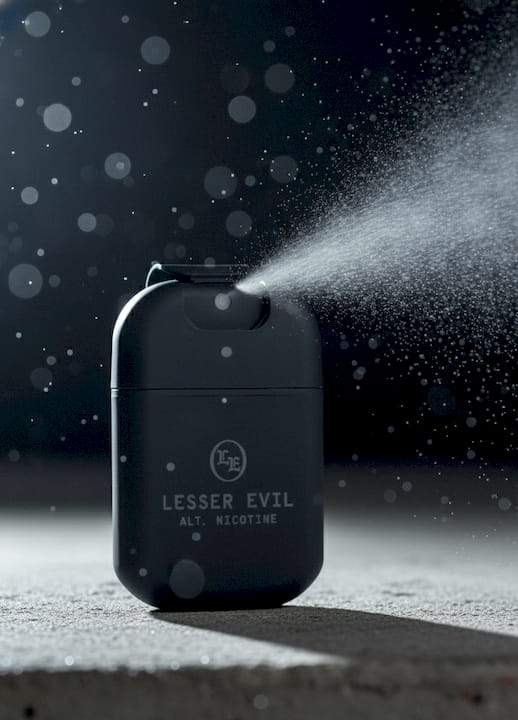
Pro Tip: Pack one lower-strength option specifically for the flight itself, even if you use something stronger on the ground. Your body on a plane at altitude is not your body at your desk, and dosing accordingly makes the whole flight more comfortable.
How much nicotine should you pack for a trip?
A rough planning rule that seasoned travellers rely on: one tin covers roughly two travel days of normal use, so a week-long trip means packing three to four tins rather than one and hoping. Build in a buffer, lost luggage happens, and running out on day five of a fortnight abroad is a genuinely avoidable headache.
Split that supply sensibly:
- Carry a few days’ worth in your hand luggage so a checked bag going astray doesn’t leave you stranded.
- Pack the bulk in checked baggage to keep your carry-on light and simple to search.
- Keep products in their original tins or tubes. Heat and humidity degrade loose product faster, and original packaging protects against both while doubling as your proof of contents if anyone asks.
- Tuck them inside a toiletries bag or electronics case if you’d rather they weren’t the first thing someone sees when your bag opens.
- Dispose of used product properly, sealed in the tin’s own lid compartment where the format allows, rather than loose in a seat pocket or hotel bin.
Long layovers are the moment supply planning actually gets tested. Rotating between flavours you’ve packed keeps things interesting across a twelve-hour stopover, and a refresh-format product built around discreet, no-battery use solves the “I don’t want to dig through my whole bag in an airport lounge” problem neatly.
How does an oral gel or spray differ from pouches for travel?
Luke McLeod covers oral nicotine products for Lesser Evil Nicotine, and the format distinction here matters more than most travellers realise. A sublingual gel or spray is applied under the tongue and absorbed through the oral mucosa, the same delivery route used by pouches, but without a pouch’s fibre pad or the fabric texture some travellers find gives them away.
The core travel advantage isn’t the flavour or the dose, it’s what the product doesn’t need. No battery to declare, no vapour to disguise, no liquid limit to work around. A gel or spray tube sits in a jacket pocket the same way a tube of lip balm does.
That’s a factual difference, not a health claim. Lesser Evil Nicotine’s oral gel and mouth spray range is tobacco-free and battery-free, built for people who want a compact, discreet format rather than a cessation product or a substitute for medical advice.
What are the health considerations of using nicotine while travelling?
Flying changes the conditions your body is working with, and nicotine use interacts with those changes whether you notice it or not. Cabin humidity typically sits far lower than ground-level air, which dries out your mouth and throat and can make any oral product feel more intense than it does at home. Staying properly hydrated, water rather than the in-flight coffee round, helps offset that dryness and keeps you feeling steadier through a long sector.
Altitude and cabin pressure also place a small additional load on your cardiovascular system, which is part of why lower strengths make more sense in the air than on the ground. Piling on your usual daytime dose on top of that load, especially combined with the caffeine and alcohol readily available on most flights, is a combination worth avoiding rather than managing after the fact.
Time zones complicate habitual use too. If you normally dose at set points in your day, a long-haul flight scrambles that rhythm entirely, and travellers often find they either forget for hours or overcompensate once they remember. Building a rough dosing plan before you fly, rather than improvising somewhere over the Atlantic, keeps things sensible. None of this amounts to medical advice, it’s practical awareness of how a very different environment changes a familiar habit.
A traveller’s etiquette for discreet nicotine use
Use quietly, and never mid-announcement or during meal service, cabin crew and neighbours notice more than you’d think in a confined space. Seal used pouches or wipe a spray tube before it goes back in your pocket rather than leaving residue for the next person to find.
In lounges and professional settings, step away for a moment rather than dosing at the table. A quick, unobtrusive habit stays unobtrusive only if you treat it that way every single time, not just when someone’s watching.
— Luke McLeod
Where to buy a travel-ready oral nicotine spray
Among the formats this guide has covered, dry pouches, gum, lozenges, toothpicks, an oral gel or spray solves the travel problem with the fewest moving parts: nothing to charge, nothing to spill, nothing that looks out of place next to your other pocket items.
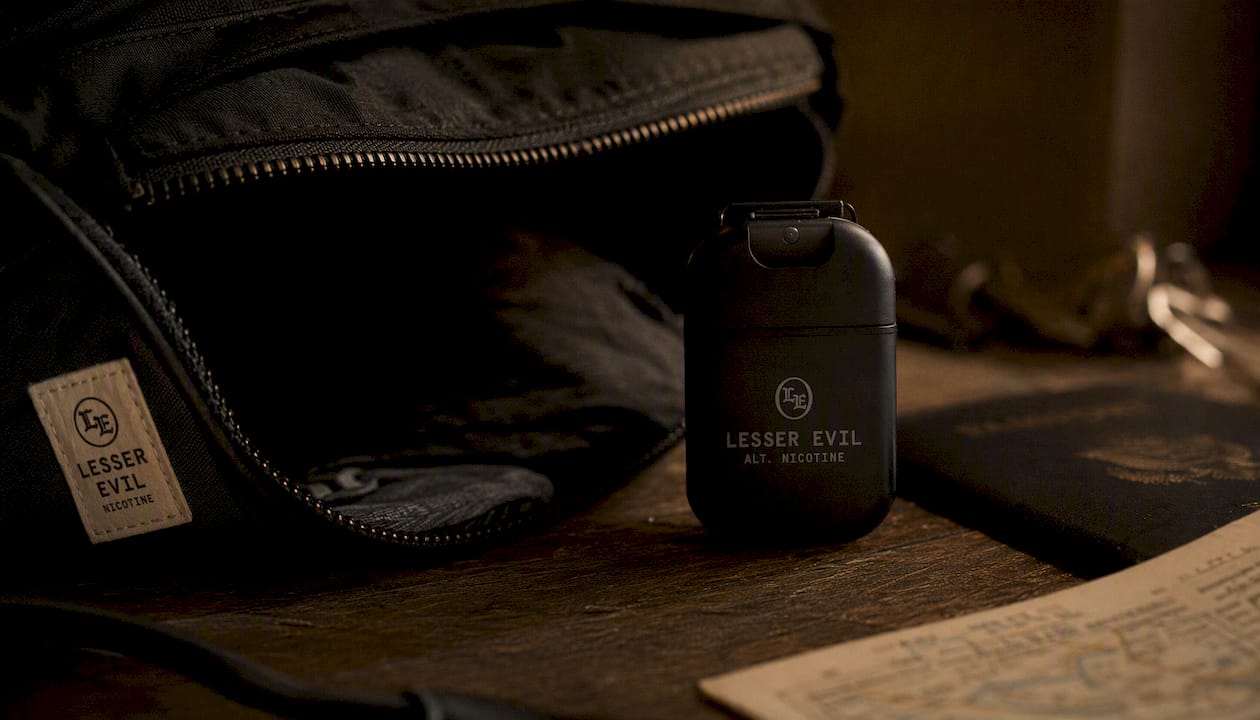
Lesser Evil Nicotine’s oral gel and spray range is tobacco-free and battery-free, delivered sublingually rather than inhaled, so there’s no vapour cloud to manage in a hotel room or an aircraft seat. It comes in three natural flavours, Peppermint, Black Grape and Green Apple, with natural sweeteners rather than anything synthetic. That combination suits a few travel scenarios especially well: a long-haul flight where you want a low-profile format, a hotel stay where you’d rather not step outside, or a work trip where a discreet pocket kit beats carrying a device and charger.
The Lesser Evil Oral Mister is available for purchase online, and the full range, including the Lesser Evil Nicotine Mouth Spray, is on the Lesser Evil Nicotine store. Order ahead of your trip so it’s packed and ready before you get anywhere near security.
Sources
FAQ
Can I travel internationally with nicotine products?
Generally yes, but the rule that matters most is your destination’s customs policy, not your departure airport’s security rules. Check the official government travel page for your destination before you fly, since some countries restrict or ban specific nicotine categories.
What nicotine products can you use on a plane?
Smokeless, battery-free oral formats, dry pouches, gel, spray, toothpicks, gum and lozenges, are generally accepted in carry-on and checked baggage under IATA guidance, since they’re treated as solids rather than liquids or combustibles. Vapes face far tighter restrictions because of their batteries and e-liquid.
Can I bring nicotine pouches on a plane?
Dry nicotine pouches typically travel well in either carry-on or checked luggage, since they contain no liquid and no battery. Keep them in their original, sealed tin and check your airline’s specific policy beforehand, as individual carriers occasionally add their own conditions.
Can I take nicotine gum or lozenges on a plane?
Yes, gum and lozenges are solid oral products and are among the most familiar formats to airport security staff. Pack a personal-use quantity in original packaging and you shouldn’t encounter any issues at screening.
How much oral nicotine can I pack for a trip?
A practical guide is roughly one tin per two travel days, so a week away means packing several tins with a small buffer for delays. Split the supply between hand luggage and checked baggage so a lost bag doesn’t leave you without any at all.